Every agency will tell you they’re focused on results. Few will tell you exactly which number they’re actually optimizing toward — and that number matters more than almost anything else in the relationship.
The Test
Ask your current agency (or ask yourself, if you’re running ads in-house) one direct question: what’s our contribution margin after ad spend, right now?
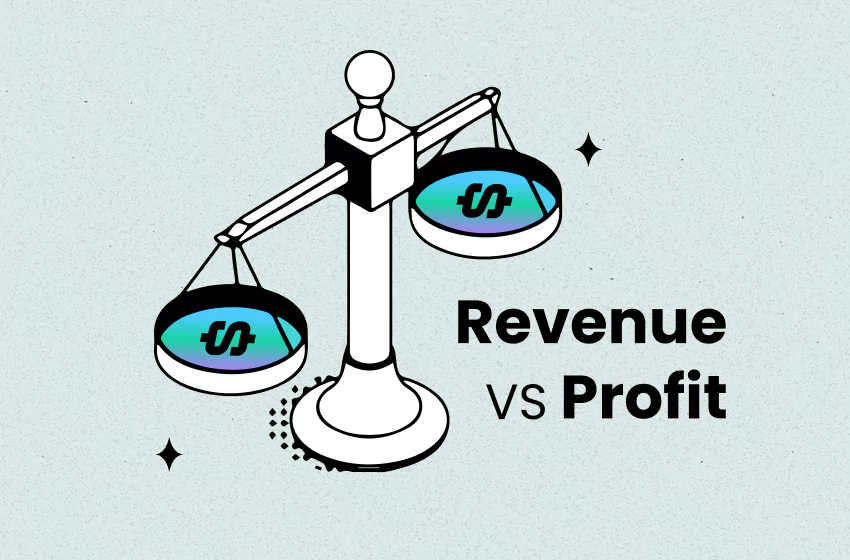
If the answer comes quickly and confidently, you’re likely working with a genuine growth partner. If the answer is a pause, a pivot to ROAS instead, or a vague “it’s looking good” — that’s a signal the relationship is optimizing for revenue and platform metrics, not actual profit.
Why This Distinction Gets Blurred
ROAS is easy to report and easy to feel good about. A rising ROAS looks like undeniable proof of success, and it’s the number most readily available on every ad platform’s dashboard. Contribution margin requires pulling in COGS, shipping, returns, and VAT — data that lives outside the ad platform, in your Shopify and finance numbers.
It’s simply more work to track contribution margin properly. That extra effort is exactly why so many agencies don’t do it — and exactly why doing it consistently is a meaningful point of difference, not a minor detail.
What Revenue-Optimizing Looks Like in Practice
An agency optimizing for revenue will often push for more spend whenever ROAS holds steady, because more spend at the same ROAS means more reported revenue — a number that looks great in a monthly report, regardless of what it’s doing to your actual margins.
An agency optimizing for profit will sometimes recommend holding spend steady, or even pulling back, if contribution margin isn’t supporting further scale — even though that’s a harder, less exciting update to deliver in a report.
The Guardrails a Profit-Focused Partner Sets
Look for whether your agency (or your own process, if managing this internally) has explicit guardrails in place: a minimum acceptable MER, a CAC ceiling relative to AOV or LTV, a payback period cap, and a contribution margin floor that spend increases are only allowed above.
Without guardrails like these, it’s possible to be rewarded for reckless scaling — hitting revenue targets while the underlying business quietly bleeds cash.
Why This Is Worth Asking Directly
This isn’t a hypothetical distinction — it directly determines whether your acquisition spend is building a more profitable business or just a busier one. The agencies and processes that can answer the contribution margin question instantly are the ones actually managing toward the outcome that matters. The ones that can’t are optimizing for something that looks like success without necessarily being one.